


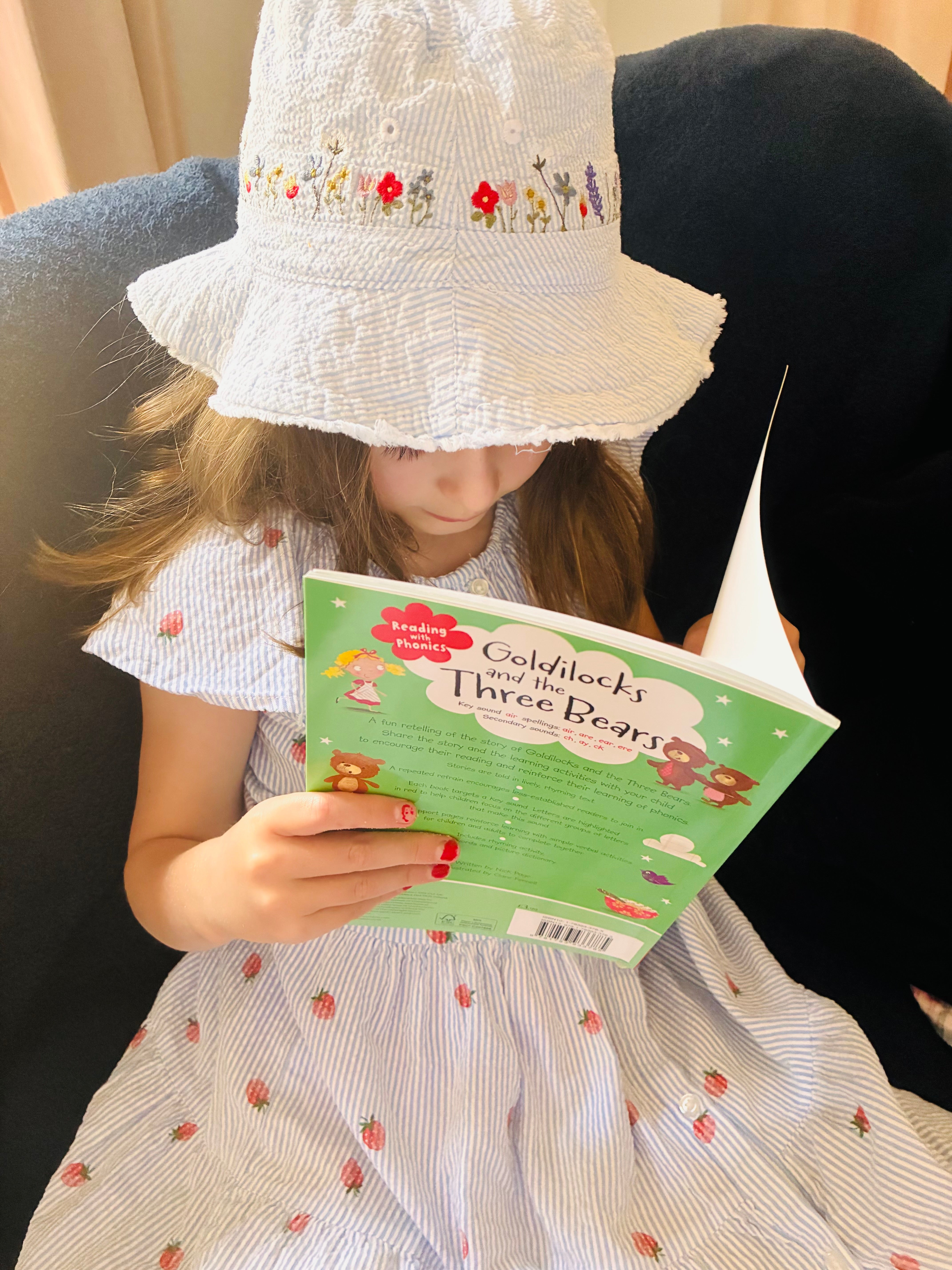

So, you've decided to start phonics at home. Maybe you want to prep for the term ahead, maybe your little one just started asking "what does that word say?" on every walk – either way, welcome! Take a breath, because this is one of the fun bits of parenting.
Here's the thing nobody tells you: phonics isn't a subject you teach, sitting at a table with worksheets. It's your child learning to connect letters with sounds, and sounds with words, until one day those squiggly shapes on the page turn into an actual story they can read themselves. And some of the best phonics practice happens without anyone even realising it's happening – in the bath, in the car, at bedtime.
Here's where we'd start.
Sing nursery rhymes and play listening games
Nursery rhymes are basically phonics in a very catchy disguise. Every time your child belts out Twinkle Twinkle or Baa Baa Black Sheep, they're training their ear to pick up rhythm, rhyme, and the individual sounds tucked inside words. It's exactly what they'll need later on for reading.
Give this a go: Play "I Spy" with sounds instead of colours. "I spy something that starts with mmmm." Watch them scan the room like a detective.
Explore letter sounds through play
Get hands on with this. Little ones learn best with their hands, not just their eyes.
Give this a go: Trace letters in a tray of sand, squish letter shapes out of playdough, or send them hunting round the house for anything starting with a sound you choose.
Blend sounds together to make simple words
This is the bit where it really clicks. Once your child's got a handful of letter sounds down, you can start blending them – and watching "c... a... t..." suddenly become cat is thrilling, every single time!
Give this a go: Say a word slowly, one sound at a time – "d... o... g..." – and let them guess what it is. Then flip it: let them stretch out a word and see if you can guess theirs.
Share a story every day
This one's easy, because you're probably doing it already. Reading together builds vocabulary, it builds a love of stories, and it quietly shows your child how letters and sounds work together on the page, all while you're just having a cuddle and a chat.
Give this a go: Run your finger under the words as you read, and every so often, pause and let them fill in the next rhyme or their favourite repeated line.
Small moments, big impact
That's really the whole secret: small, playful moments, woven into the everyday stuff you're already doing. No pressure, no need to get it "right." Just sounds, stories, and a bit of silliness along the way.
Fancy going further? Have a browse through our phonics-friendly books and keep the fun (and the learning) going.
Products from the article
SALE

Reading with Phonics Slipcase x 20
68% OFF!

OUT OF STOCK