



"Five more minutes." "One more story." "I need water." If bedtime in your house comes with a script, you are far from alone. Getting little ones to settle down and stay asleep is one of the most common (and most exhausting) parenting challenges.
The good news is that a few small, consistent changes can make a big difference. If you're looking for practical ways to help kids sleep without a nightly power struggle, here's what actually works, plus a few cosy bedtime book ideas to make it part of the fun.
Why sleep matters so much
Sleep does a lot of heavy lifting for growing bodies and brains. It supports memory, mood, growth, and the ability to concentrate and regulate emotions the next day. A child who's overtired often becomes more wired, not less, which is why those bedtime struggles can feel so intense. Getting the routine right isn't just about an easier evening for you; it sets your child up for a better day tomorrow too.
Building a Bedtime Routine for Toddlers and Young Children
1. Keep the same order every night
Children thrive on predictability. A simple sequence, such as bath, pyjamas, teeth, story, lights out, helps signal to their brain that sleep is coming. It doesn't need to be elaborate; it just needs to be consistent.
2. Start winding down earlier than you think
Screens, high-energy play, and sugary snacks close to bedtime can all make it harder for little ones to settle. Try to build in 30 to 60 minutes of calm, quiet time before lights out, think reading, colouring, or a warm bath.
3. Make the bedroom sleep-friendly
A dark, cool, and quiet room helps the body produce melatonin naturally. If your child is nervous of the dark, a dim night light can help without disrupting sleep too much.
4. Keep bedtimes (fairly) consistent
Waking up and going to bed around the same time each day, even at weekends, helps regulate your child's internal clock. It won't always be perfect, and that's okay, but consistency over time makes a real difference.
5. Offer a comfort object
A favourite soft toy or blanket can provide a real sense of security, especially during the settling-down stage or if your child wakes in the night. It gives them something familiar to hold onto when you're not right there.
6. Lean into the power of a bedtime story
Reading together isn't just lovely bonding time, it's genuinely one of the best sleep cues you can build into the routine. The rhythm of a story helps slow everything down, and it gives children something to look forward to instead of dreading lights out.
Bedtime books worth adding to the shelf
If your little one associates bedtime with a good book rather than a battle, half the work is already done. A few of our favourites for winding down:
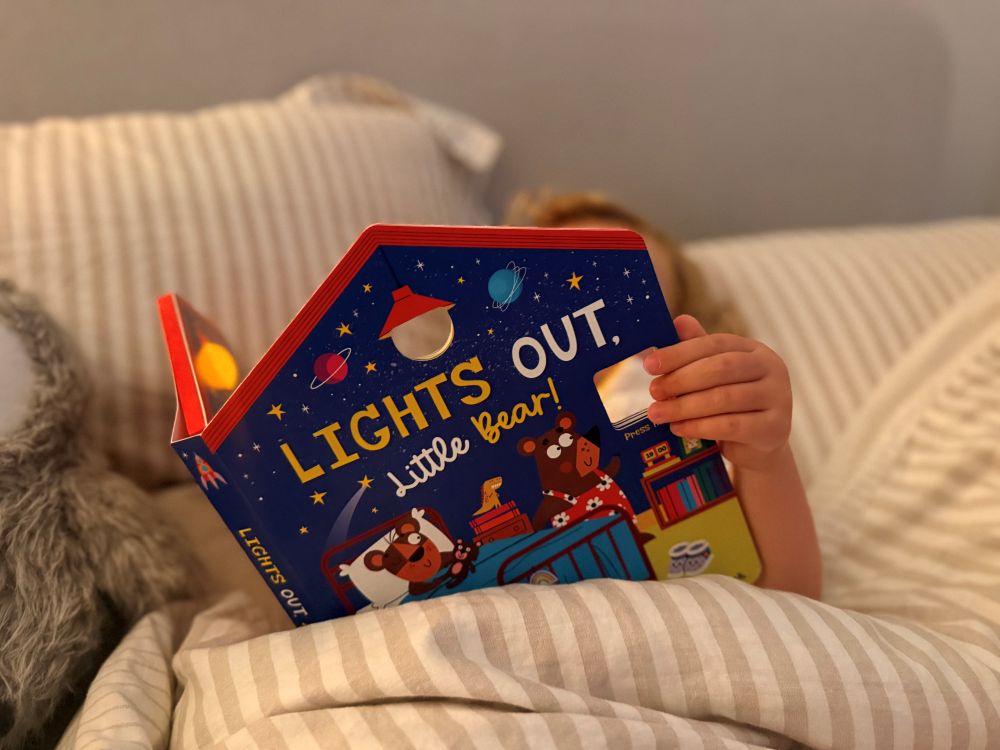
Lights Out, Little Bear! A funny, gentle story about a bear who really isn't ready for lights out. With a real light-up switch to press and a hidden second light to find, it's a playful way to talk about settling down for the night, without feeling like a lecture.
Little Stars Unicorn's Bedtime A dreamy touch-and-feel board book for babies and toddlers, perfect for winding down together. Little ones can count sleepy friends from one to ten while exploring soft textures, all wrapped up in calming, bedtime-themed rhymes.
For an extra bit of comfort at lights out, our Sensory Snuggables make wonderful bedtime companions too, combining a soft, cuddly plush toy with a textured cloth book for little hands to hold onto through the night.
When Bedtime Still Doesn't Go to Plan
Some nights won't go smoothly, and that's completely normal. Illness, growth spurts, big changes at home, or simply an overtired day can all throw a routine off course. Try not to worry too much about the odd rough night; focus on keeping the routine steady over the following days, and things usually settle back down.
Frequently Asked Questions
How can I help my child fall asleep faster?
Stick to a short, predictable wind-down routine (bath, story, lights out), dim the lights beforehand, and avoid screens in the hour before bed. A calm environment and a familiar comfort object also help little ones settle more quickly.
What is a good bedtime routine for toddlers?
A simple, repeatable sequence works best: a calm activity like a bath or quiet play, pyjamas, teeth, a bedtime story, then lights out. Keeping the steps and timing consistent, even at weekends, helps toddlers know what to expect.
Do bedtime stories actually help kids sleep?
Yes. Reading together signals to the brain that it's time to slow down, and it turns bedtime into something to look forward to rather than resist. A calming story is one of the simplest and most effective sleep cues you can add to a routine.
The Takeaway
There's no single trick that makes bedtime perfect every night, but a calm, consistent routine, a sleep-friendly room, and a comforting story or cuddly toy can go a long way. Small, steady changes tend to work far better than a complete overhaul, so pick one or two ideas here and give them time to bed in (pun very much intended).
Looking for your family's new bedtime favourite? Explore our full range of story books and plush toys to find the perfect addition to your wind-down routine.